Posted on: 2023-09-22 17:26:16
Introduction
Jain matrimony is a reflection of simplicity, grace, and profound spiritual significance. Rooted in the teachings of Jainism, these weddings emphasize purity, compassion, and the importance of family values. Among the many cherished traditions, "Kanyavaran" holds a special place, symbolizing the parents' trust and blessings as they hand over their daughter to her life partner. In this blog, we delve into the significance of Kanyavaran in Jain weddings, its rituals, and the spiritual depth it adds to this sacred union.
The Essence of Kanyavaran
In Jain culture, marriage is considered a sacred bond not just between two individuals but between their families and spiritual journeys. Kanyavaran represents the parents' willingness to entrust their daughter's happiness and well-being to her future spouse. This act of love and faith is not just a familial gesture but a spiritual offering, conducted with devotion and reverence to Jain Tirthankaras and deities.
The Ritual of Kanyavaran
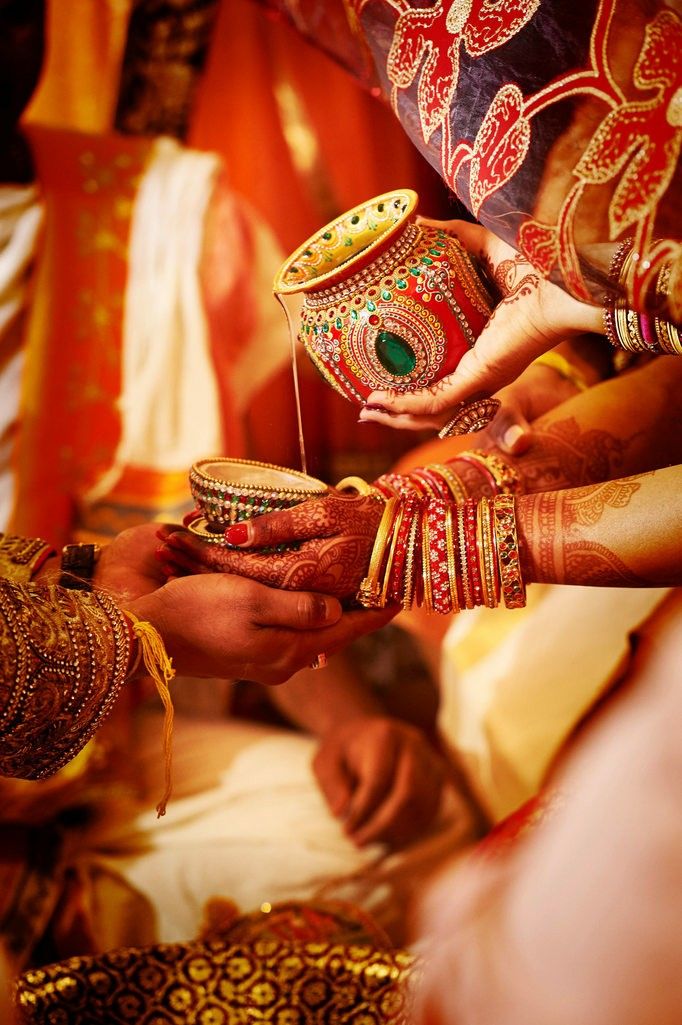
Kanyavaran is an integral part of the wedding ceremony, performed with simplicity and spiritual focus. Here’s a step-by-step overview:
- Preparation: The bride’s family prepares for the ceremony with prayers and rituals. The bride is dressed in elegant, traditional attire, often in hues of red or gold, symbolizing prosperity and good fortune.
- Invocation of Blessings: The ceremony begins with prayers to Lord Mahavir and other Tirthankaras. The bride’s parents seek divine blessings for a harmonious and prosperous married life for their daughter.
- Guidance by the Priest: A Jain priest presides over the ceremony, chanting mantras and guiding the couple and their families through the rituals.
- Symbolic Hand-off: The parents gently place their daughter’s hand into the groom’s, signifying their trust in him to protect, respect, and cherish her. Sometimes, auspicious items such as rice grains, betel leaves, or coins are placed in the bride’s hand as symbols of prosperity, purity, and blessings.
- Vows and Commitments: The groom accepts the bride’s hand, promising to uphold the values of Jainism and ensure her happiness. The couple exchanges vows of mutual respect, trust, and spiritual growth.
- Emotional Moment: For the bride’s parents, Kanyavaran is a bittersweet moment, filled with emotions of joy, pride, and a sense of fulfillment.
The Symbolism of Kanyavaran
Kanyavaran holds deep symbolic meaning in Jain culture:
- Trust and Responsibility: The ritual embodies the parents' faith in the groom and his family to care for their daughter with love and respect.
- Spiritual Union: Kanyavaran is not just a physical gesture but a spiritual act, sanctified by prayers and mantras. It emphasizes the couple’s journey toward self-realization and spiritual growth.
- Family Bonding: This ritual reinforces the unity of two families, signifying their shared values and responsibilities.
- Sacred Blessings: The mantras and rituals performed during Kanyavaran are believed to invoke divine blessings, ensuring the couple's harmonious and blissful life together.
Conclusion
Jain matrimony, with its emphasis on simplicity and spirituality, beautifully reflects the principles of Jainism. The Kanyavaran ceremony encapsulates the love, trust, and unity that are the cornerstones of this sacred institution. It is a moment of profound emotional and spiritual significance, marking the beginning of a new chapter in the bride's life, supported by the love and blessings of her parents and family.
"Jainstar Mangalmilan," we honor and celebrate these timeless traditions by helping Jain families find their perfect match. With a deep understanding of the sanctity of rituals like Kanyavaran, we are committed to uniting individuals and families in their journey of love, trust, and spiritual harmony. For more details, please call: 9221001250